

Categories:
A Recipe for War, Analysis of History, Current Events, Military History, Russo-Ukrainian War, 21st Century Conflicts, The Involvement of the United States in the Russo-Ukrainian War, Climate Change
Tags:
Connections to the Past, Understanding the Past, Current Views, Repercussions of Events, Motives Behind Conflict, #A Recipe for War, #Ukraine, #War, Unending War
January 26, 2023

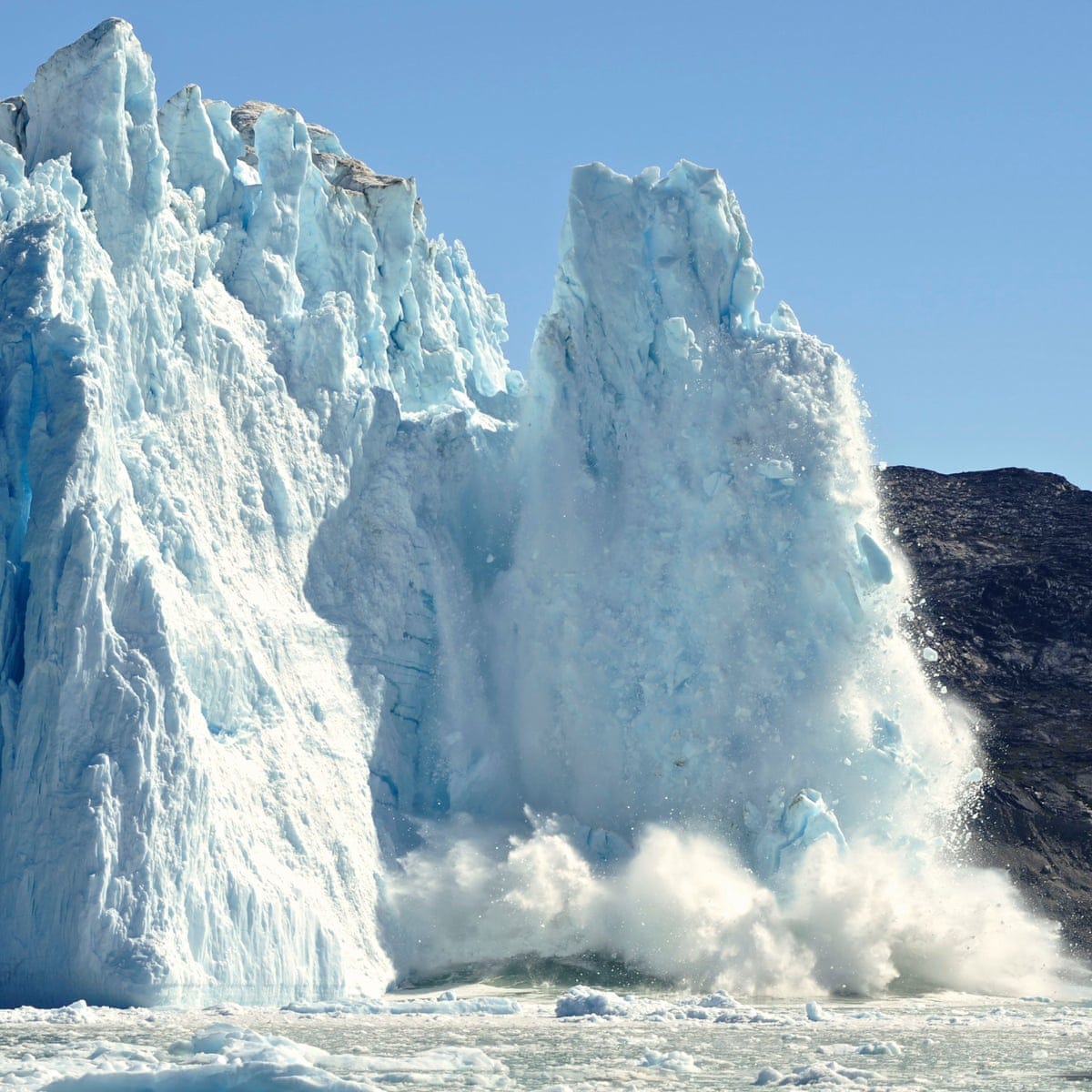
Climate change has affected our planet in countless ways. One of its most notable and visible impacts is its effect on the Arctic. According to the United States National Oceanic and Atmospheric Administration (NOAA), the Arctic Region has warmed at a rate double that of the rest of the world. This is causing the Arctic Ocean’s sea ice to melt at an unprecedented rate. The disappearing ice caps have opened up new opportunities for countries on the shores of the Arctic Ocean to expand their military presence and capabilities in the region. Now, Russia is working to secure access to newly available resources and take control of new shipping lanes. This has led to an increased Russian military presence in the Arctic. If Russia does tap into the valuable resources lying under the Arctic ice shelf and activate new sea routes once blocked by ice, it may get a rare advantage in its war against Ukraine. In this article, I’ll take a closer look at how climate change is affecting Russia’s military and economic planning and capabilities. I’ll also examine other countries’ steps to address Russia’s actions.
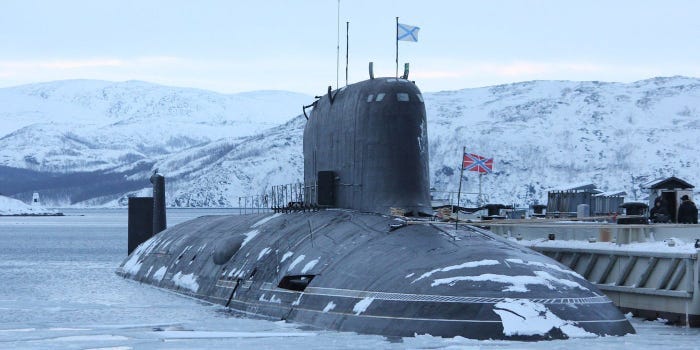
In 2007, a Russian undersea expedition planted the nation’s flag on the seabed of the North Pole. Following this action, Russia launched a campaign to dominate the Arctic. It has since strengthened its military presence in the region by establishing new military bases. According to the Russian Ministry of Defense, Russia has built or is in the process of building thirteen new military bases along its Arctic coastline. These bases include airfields, radar stations, and ports, which are used to monitor and control areas of the Arctic Ocean that stretch hundreds of miles beyond Russia’s coastline. The Russian military has also deployed new air defense systems, including the S-400, to the Arctic region (the missiles were brought there ostensibly to deter Western aggression. However, according to some experts, they’re actually there to protect the bases from Ukrainian drone attacks). To further ensure the security of its Arctic enterprises, Russia has also invested in the development of advanced military technology specifically designed for the Arctic. Its military is now testing new military equipment, such as drones capable of operating in the harsh polar environment. As well as increasing its land capabilities, Russia has also expanded its naval capabilities in the region. According to the Russian Navy, currently, there are over 40 surface ships and submarines operating in the Arctic. This includes new icebreakers used to clear shipping lanes and support regional naval operations. Climate change has made sea lanes that were once only seasonal (and cleared only with great difficulty) last almost all year. Russia has also established new naval bases in the Arctic, including the Northern Fleet’s base in Severomorsk, which has become the largest naval base in the Arctic. The bases were shown to be effective in recent military exercises, such as the 2019 Arctic exercise involving more than 40,000 Russian soldiers. Thus, with the construction of these bases, Russia has gotten one step closer to dominating the Arctic Ocean, as with their construction, it dominates the waters close to its coast.

Russia is also taking advantage of the melting sea ice to access and exploit previously inaccessible resources in the Arctic. According to the U.S. Energy Information Administration, Russia has the largest oil and natural gas reserves in the Arctic. Its energy sector is actively working to develop these resources that were once located under thick sheets of ice. For example, Russia’s state-owned oil company, Gazprom, has started drilling in the Arctic’s Kara Sea, while Rosneft, another state-owned company, announced in 2020 that they had discovered a large oil deposit in the Arctic’s Laptev Sea. If Russia can successfully mine large quantities of oil in the waters just off its 24,000-kilometer-long Arctic Coast, it will have more resources to sell to its allies who, despite Western sanctions, are still buying its oil. If all goes according to plan, this will allow Russia to get more money to build more weapons to send to its soldiers in Ukraine. And if the West does nothing about Russia’s attempts to control parts of the Arctic Ocean further from its coast, Russia would only continue to expand its power there.
This is not to say that the West isn’t doing anything about Russia’s actions. Last year, Denmark (more specifically, Greenland) and Canada reached a settlement to resolve a decades-long dispute over Hans Island, which sits right on the maritime border between the two countries, resulting in the island’s division between them. This showed that the Western Arctic nations are trying to present a united front against Russia’s aggressive actions. At the same time, Western countries have taken more practical measures. For example, the US helped Norway increase surveillance of its maritime border with Russia. At the same time, the US government is placing a bigger emphasis on Alaska, which contains America’s only Arctic coastline. However, there are divisions within the alliance of the Western Arctic countries. For example, Canada and the US are far from resolving a decades-long dispute over the status of the Northwest Passage that connects the Atlantic and Pacific Oceans through a maze of straits and passageways between Canada’s northern islands. The US claims that Passage is in international waters, but Canada claims the Passage as part of its own territorial waters. This dispute will likely continue to divide the Western Arctic nations for years. However, they must put aside differences like this to stop Russia’s Arctic expansion. If they do so, they might be able to prevent Russia from doing even more than it already has by enacting new legislation and deterring Russia with military exercises and patrols, as well as establishing bases similar to those Russia has already established.


Overall, the melting of sea ice in the Arctic, caused by climate change, is creating new opportunities for Russia to expand its military presence and capabilities, which might give it a rare advantage in its war in Ukraine. However, the West can still stop this and prevent Russian dominance in the Arctic Ocean by uniting and taking action in the region. If this happens, Russia will lose the advantage that the Arctic Ocean now provides, and it’ll make its war effort in Ukraine far more difficult, if not impossible, thus ensuring Ukraine’s retention of its advantage.
References:
https://brownpoliticalreview.org/2020/04/the-u-s-canada-northwest-passage-dispute/
https://carnegieendowment.org/2021/03/29/russia-in-arctic-critical-examination-pub-84181
https://globalnews.ca/news/9441247/russia-arctic-expansion-continental-shelf/
https://www.cnn.com/2022/12/21/europe/russia-arctic-military-intl/index.html
https://www.csis.org/analysis/russian-arctic-threat-consequences-ukraine-war
https://www.highnorthnews.com/en/russia-military-exercises-ocean-vis-vis-alaska
https://www.ncei.noaa.gov/news/arctic-ice-study
https://www.noaa.gov/news-release/human-caused-climate-change-fuels-warmer-wetter-stormier-arctic
https://www.reuters.com/graphics/ARCTIC-SECURITY/zgvobmblrpd/
https://www.reuters.com/world/europe/nato-allies-wake-up-russian-supremacy-arctic-2022-11-16/
https://www.thearcticinstitute.org/country-backgrounders/russia/
https://www.thecanadianencyclopedia.ca/en/article/arctic-sovereignty
https://www.theguardian.com/world/2007/aug/02/russia.arctic
Image Sources:
https://www.businessinsider.com/why-us-commanders-worry-about-tracking-russias-newest-subs-2021-7
https://www.washingtonpost.com/world/2022/06/14/canada-denmark-greenland-hans-island/